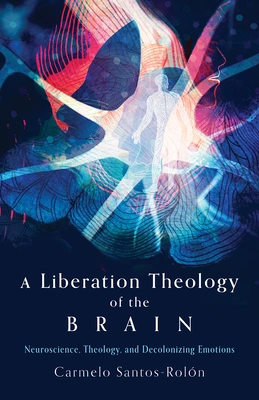
A Liberation Theology of the Brain: Neuroscience, Theology, and Decolonizing Emotions
Carmelo Santos-RolonPaperback 2025-05-06
Using insights from neuroscience, theology, and his experiences as pastor, professor, and activist, Santos-Rolon explores how science and theology illuminate God's decolonizing effects on the brain and nervous system. Structures of injustice in the world must also be dismantled in us--and the future that God is birthing is taking shape within us.|<p>Drawing on experiences from the lab, the local congregation, the immigrant rights movement, the university classroom, the global church, and brain science, this book invites readers to discover the transformative possibilities that arise when we recognize that the insights of science and theology can complement and transform each other. Brain science and theology can be powerful partners in God's work of liberating all of us from the internalized structures of oppression that colonize imaginations, imprison emotions, subjugate bodies, and fracture societies.</p>
<p>Trained as a scientist, a pastor, and a theologian, Carmelo Santos-Rolón brings together insights from various fields in neuroscience and the cognitive sciences (such as the neuroscience of religious experience, the neuroscience of emotions, the cognitive science of religion, and the neuroscience of decision-making) with data from liberation, postcolonial, decolonial, and Lutheran ecumenical theologies to analyze the spiritual experience of holistic liberation. The result is a theological framework, informed by science, that allows us to appreciate how the Spirit of God is at work "in, with, and under" neurons, bodies, and communities in all their beautiful messiness and complexity.</p> <p>In the tradition of liberation theologies, which insist that action and reflection belong together and must inform each other, this book aims at a theology with dirty hands and worn-out shoes. It is meant for a people who are not just intellectually curious about who God is and how religion affects our brains, but who are eager to join in God's work of bringing healing and hope to a wounded world. Theology and (neuro)science, together, allow us to witness how the Spirit of God is at work deep inside the nooks and crannies of our brains, in the chemistry of our nervous systems, in the emotions that orient our actions, and in the communities that shape our identities. Through tangible means, such as words and rituals, symbols and narratives, sacraments and community, God liberates us for lives of meaning and purpose at the service of the beautiful future that God is bringing into being.</p>|<p>Drawing on experiences from the lab, the local congregation, the immigrant rights movement, the university classroom, the global church, and brain science, this book invites readers to discover the transformative possibilities that arise when we recognize that the insights of science and theology can complement and transform each other. Brain science and theology can be powerful partners in God's work of liberating all of us from the internalized structures of oppression that colonize imaginations, imprison emotions, subjugate bodies, and fracture societies.</p> <p>Trained as a scientist, a pastor, and a theologian, Carmelo Santos-Rolón brings together insights from various fields in neuroscience and the cognitive sciences (such as the neuroscience of religious experience, the neuroscience of emotions, the cognitive science of religion, and the neuroscience of decision-making) with data from liberation, postcolonial, decolonial, and Lutheran ecumenical theologies to analyze the spiritual experience of holistic liberation. The result is a theological framework, informed by science, that allows us to appreciate how the Spirit of God is at work "in, with, and under" neurons, bodies, and communities in all their beautiful messiness and complexity.</p> <p>In the tradition of liberation theologies, which insist that action and reflection belong together and must inform each other, this book aims at a theology with dirty hands and worn-out shoes. It is meant for a people who are not just intellectually curious about who God is and how religion affects our brains, but who are eager to join in God's work of bringing healing and hope to a wounded world. Theology and (neuro)science, together, allow us to witness how the Spirit of God is at work deep inside the nooks and crannies of our brains, in the chemistry of our nervous systems, in the emotions that orient our actions, and in the communities that shape our identities. Through tangible means, such as words and rituals, symbols and narratives, sacraments and community, God liberates us for lives of meaning and purpose at the service of the beautiful future that God is bringing into being.</p>$69.99
$69.99
Click & collect: Select your store
Get information on product availability in store.

.png&w=64&q=75)
.png&w=64&q=75)

.png&w=48&q=75)
Using insights from neuroscience, theology, and his experiences as pastor, professor, and activist, Santos-Rolon explores how science and theology illuminate God's decolonizing effects on the brain and nervous system. Structures of injustice in the world must also be dismantled in us--and the future that God is birthing is taking shape within us.|<p>Drawing on experiences from the lab, the local congregation, the immigrant rights movement, the university classroom, the global church, and brain science, this book invites readers to discover the transformative possibilities that arise when we recognize that the insights of science and theology can complement and transform each other. Brain science and theology can be powerful partners in God's work of liberating all of us from the internalized structures of oppression that colonize imaginations, imprison emotions, subjugate bodies, and fracture societies.</p>
<p>Trained as a scientist, a pastor, and a theologian, Carmelo Santos-Rolón brings together insights from various fields in neuroscience and the cognitive sciences (such as the neuroscience of religious experience, the neuroscience of emotions, the cognitive science of religion, and the neuroscience of decision-making) with data from liberation, postcolonial, decolonial, and Lutheran ecumenical theologies to analyze the spiritual experience of holistic liberation. The result is a theological framework, informed by science, that allows us to appreciate how the Spirit of God is at work "in, with, and under" neurons, bodies, and communities in all their beautiful messiness and complexity.</p> <p>In the tradition of liberation theologies, which insist that action and reflection belong together and must inform each other, this book aims at a theology with dirty hands and worn-out shoes. It is meant for a people who are not just intellectually curious about who God is and how religion affects our brains, but who are eager to join in God's work of bringing healing and hope to a wounded world. Theology and (neuro)science, together, allow us to witness how the Spirit of God is at work deep inside the nooks and crannies of our brains, in the chemistry of our nervous systems, in the emotions that orient our actions, and in the communities that shape our identities. Through tangible means, such as words and rituals, symbols and narratives, sacraments and community, God liberates us for lives of meaning and purpose at the service of the beautiful future that God is bringing into being.</p>|<p>Drawing on experiences from the lab, the local congregation, the immigrant rights movement, the university classroom, the global church, and brain science, this book invites readers to discover the transformative possibilities that arise when we recognize that the insights of science and theology can complement and transform each other. Brain science and theology can be powerful partners in God's work of liberating all of us from the internalized structures of oppression that colonize imaginations, imprison emotions, subjugate bodies, and fracture societies.</p> <p>Trained as a scientist, a pastor, and a theologian, Carmelo Santos-Rolón brings together insights from various fields in neuroscience and the cognitive sciences (such as the neuroscience of religious experience, the neuroscience of emotions, the cognitive science of religion, and the neuroscience of decision-making) with data from liberation, postcolonial, decolonial, and Lutheran ecumenical theologies to analyze the spiritual experience of holistic liberation. The result is a theological framework, informed by science, that allows us to appreciate how the Spirit of God is at work "in, with, and under" neurons, bodies, and communities in all their beautiful messiness and complexity.</p> <p>In the tradition of liberation theologies, which insist that action and reflection belong together and must inform each other, this book aims at a theology with dirty hands and worn-out shoes. It is meant for a people who are not just intellectually curious about who God is and how religion affects our brains, but who are eager to join in God's work of bringing healing and hope to a wounded world. Theology and (neuro)science, together, allow us to witness how the Spirit of God is at work deep inside the nooks and crannies of our brains, in the chemistry of our nervous systems, in the emotions that orient our actions, and in the communities that shape our identities. Through tangible means, such as words and rituals, symbols and narratives, sacraments and community, God liberates us for lives of meaning and purpose at the service of the beautiful future that God is bringing into being.</p>