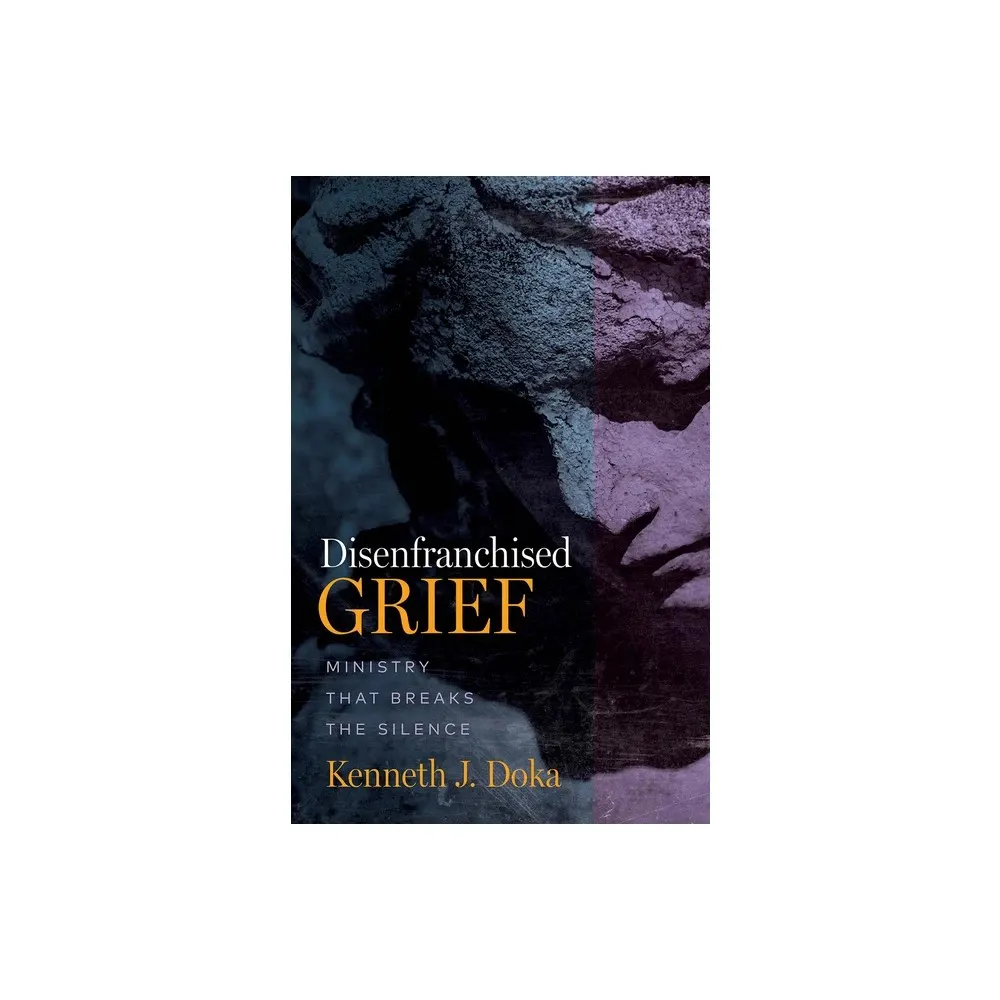
Disenfranchised Grief: Ministry That Breaks the Silence
Kenneth J. DokaPaperback 2025-05-06
Thirty years ago, Kenneth J. Doka coined the term "disenfranchised grief" to name people's losses that are not socially sanctioned, openly recognized, or publicly mourned. In Disenfranchised Grief: Breaking the Silence, Doka now empowers clergy and ministry caregivers to gain the insights and skills to better care for disenfranchised grievers.|<p>Thirty years ago, Kenneth J. Doka coined the term "disenfranchised grief" to refer to losses people experience that are not socially sanctioned, openly acknowledged, or publicly mourned. The concept of disenfranchised grief is now widely recognized and used in the health professions and social sciences. Unfortunately, the same attention to the issue is less true of clergy training, ministry practice, and many caregiving circles.</p>
<p>Yet, this lack of awareness and training of clergy and congregational caregivers to attend to disenfranchised grief critically hampers their vital roles in validating and empowering grieving individuals, educating parishioners, and creating rituals that offer comfort and support to disenfranchised grievers. <i>Disenfranchised Grief: Breaking the Silence</i> helps clergy and ministry caregivers understand current grief theory and acknowledge a variety of situations in their congregations where grief might be overlooked or even discouraged. This book offers much-needed tools to help a variety of caregiving practitioners gain skills and strategies to enhance their ministries to an often-neglected population.</p>|<p>Thirty years ago, Kenneth J. Doka coined the term "disenfranchised grief" to refer to losses people experience that are not socially sanctioned, openly acknowledged, or publicly mourned. The concept of disenfranchised grief is now widely recognized and used in the health professions and social sciences. Unfortunately, the same attention to the issue is less true of clergy training, ministry practice, and many caregiving circles.</p> <p>Yet, this lack of awareness and training of clergy and congregational caregivers to attend to disenfranchised grief critically hampers their vital roles in validating and empowering grieving individuals, educating parishioners, and creating rituals that offer comfort and support to disenfranchised grievers. <i>Disenfranchised Grief: Breaking the Silence</i> helps clergy and ministry caregivers understand current grief theory and acknowledge a variety of situations in their congregations where grief might be overlooked or even discouraged. This book offers much-needed tools to help a variety of caregiving practitioners gain skills and strategies to enhance their ministries to an often-neglected population.</p>|<p>Introduction</p> <p>Chapter 1: Models of Grief</p> <p>Chapter 2: Disenfranchised Grief</p> <p>Chapter 3: Our Network of Relationships</p> <p>Chapter 4: Unacknowledged Losses</p> <p>Chapter 5: Misjudging Capacity, Styles, and Circumstances</p> <p>Chapter 6: When Trauma Disenfranchises</p> <p>Chapter 7: Pastoral Ministry to the Disenfranchised</p> <p>Chapter 8: Congregational Ministry to the Disenfranchised Griever</p> <p>Chapter 9: When Grief Becomes Complicated</p>$44.99
$44.99
Click & collect: Select your store
Get information on product availability in store.

.png&w=64&q=75)
.png&w=64&q=75)

.png&w=48&q=75)
Thirty years ago, Kenneth J. Doka coined the term "disenfranchised grief" to name people's losses that are not socially sanctioned, openly recognized, or publicly mourned. In Disenfranchised Grief: Breaking the Silence, Doka now empowers clergy and ministry caregivers to gain the insights and skills to better care for disenfranchised grievers.|<p>Thirty years ago, Kenneth J. Doka coined the term "disenfranchised grief" to refer to losses people experience that are not socially sanctioned, openly acknowledged, or publicly mourned. The concept of disenfranchised grief is now widely recognized and used in the health professions and social sciences. Unfortunately, the same attention to the issue is less true of clergy training, ministry practice, and many caregiving circles.</p>
<p>Yet, this lack of awareness and training of clergy and congregational caregivers to attend to disenfranchised grief critically hampers their vital roles in validating and empowering grieving individuals, educating parishioners, and creating rituals that offer comfort and support to disenfranchised grievers. <i>Disenfranchised Grief: Breaking the Silence</i> helps clergy and ministry caregivers understand current grief theory and acknowledge a variety of situations in their congregations where grief might be overlooked or even discouraged. This book offers much-needed tools to help a variety of caregiving practitioners gain skills and strategies to enhance their ministries to an often-neglected population.</p>|<p>Thirty years ago, Kenneth J. Doka coined the term "disenfranchised grief" to refer to losses people experience that are not socially sanctioned, openly acknowledged, or publicly mourned. The concept of disenfranchised grief is now widely recognized and used in the health professions and social sciences. Unfortunately, the same attention to the issue is less true of clergy training, ministry practice, and many caregiving circles.</p> <p>Yet, this lack of awareness and training of clergy and congregational caregivers to attend to disenfranchised grief critically hampers their vital roles in validating and empowering grieving individuals, educating parishioners, and creating rituals that offer comfort and support to disenfranchised grievers. <i>Disenfranchised Grief: Breaking the Silence</i> helps clergy and ministry caregivers understand current grief theory and acknowledge a variety of situations in their congregations where grief might be overlooked or even discouraged. This book offers much-needed tools to help a variety of caregiving practitioners gain skills and strategies to enhance their ministries to an often-neglected population.</p>|<p>Introduction</p> <p>Chapter 1: Models of Grief</p> <p>Chapter 2: Disenfranchised Grief</p> <p>Chapter 3: Our Network of Relationships</p> <p>Chapter 4: Unacknowledged Losses</p> <p>Chapter 5: Misjudging Capacity, Styles, and Circumstances</p> <p>Chapter 6: When Trauma Disenfranchises</p> <p>Chapter 7: Pastoral Ministry to the Disenfranchised</p> <p>Chapter 8: Congregational Ministry to the Disenfranchised Griever</p> <p>Chapter 9: When Grief Becomes Complicated</p>